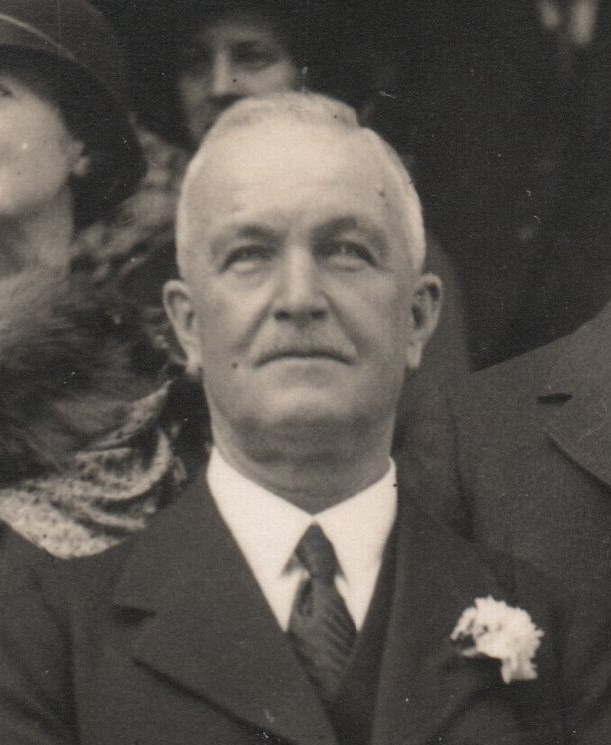
 John Leith was born into a small railway cottage in Coleraine on St. Patrick’s Day 1873. Despite growing up on the railways as his father worked the line between Belfast and Coleraine for the Northern Counties Railway, John walked into an army recruiting office in Belfast on 16 October 1890 and signed up to the Royal Inniskilling Fusiliers.
The regiment at that time were stationed in Portsmouth and it seems that John spent the next six years in the Victoria Barracks before being sent out to the Punjab in 1896. At 5 feet 4½ inches John was not the tallest soldier and nor was he the most disciplined. His army career saw him twice promoted to Corporal (plus a field promotion to Lance Sergeant while in India) but he was also twice busted back down to Private for being drunk on duty.
In 1899 the battalion was posted to South Africa to serve in the Anglo Boer War, first at the calamitous battle of Colenso before greater success at Tugela Heights and involvement in the relief of Ladysmith. The Inniskillings spent the bulk of the remaining conflict manning the extensive blockhouse system across the veldt.
John was discharged from the regiment when his 12 years were up on 15 October 1902 staying in South Africa and working for the railways. Six months later he married an Australian nurse*, Mary Ann Foster, on 28 April 1903 in Johannesburg.
When the war in Europe broke out in 1914 the South African government, despite opposition, sent troops to German South West Africa (now Namibia) to aid the war effort and John, now 30, joined the South Africa Engineer Corps’ Railway Regiment as an engine driver. So, on 19 October 1914 John finds himself embarking a troop transport bound for Luderitzbuch. The SWA campaign went well most of the time and is counted as the first victory of the war for the British allies.
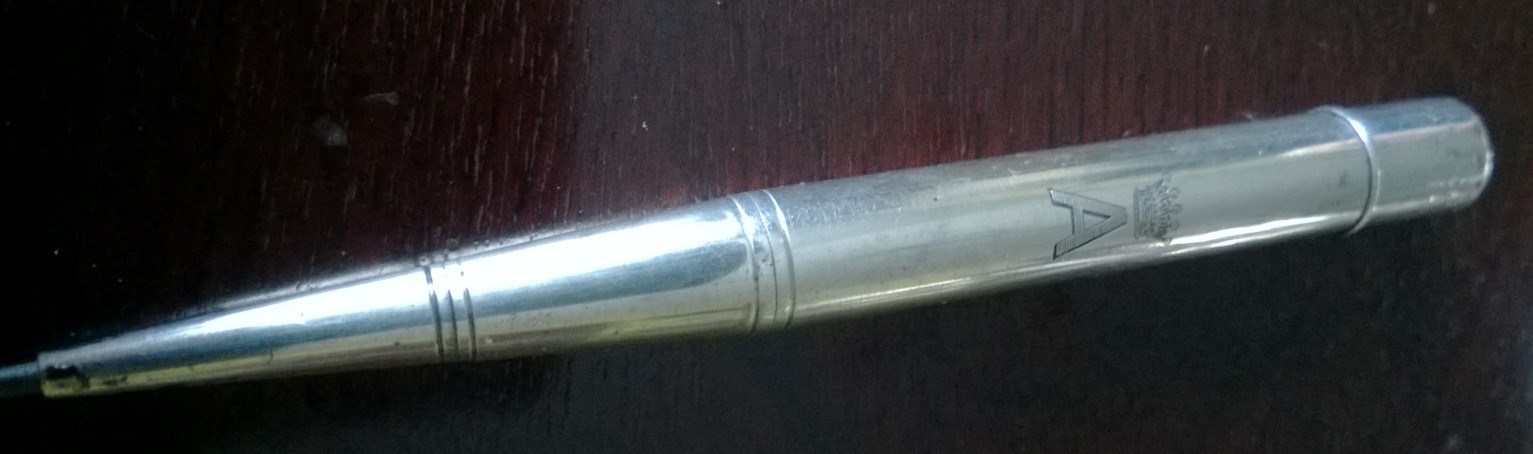
On 19 April 1919 John left the SAEC and rejoined the SAR rising to Inspector of Locomotives and becoming responsible for the Governor General’s special train, for which he was recognised with the award of a silver propelling pencil on his retirement in 1930.
John and Mary’s only child, Dorothy, was born on 14 November 1904 and in July 1923 the family were finally able to travel to the UK to visit John’s family in Northern Ireland. They left London on 18 August bound for Melbourne, presumably to catch up with Mary’s sisters in Ballarat.
Nine years later John would join his family for one more trip to the Old Country, to attend Dorothy’s wedding, but it would be the last journey he was to undertake. John died on 9 November 1932 at Redhill County Hospital, Edgware aged 59.
*the family history has always maintained that Mary was a nurse and there’s little other reason for a single young woman to travel to a war zone in those days, but there has not yet been any confirmation of this coming out of Australian records.


Slight change – not a pencil case but a silver propelling pencil.
The letter from the Governor general says pencil case!